Reviews, recommendations, and essays for serious readers.

Category: Uncategorized (Page 9 of 11)

Science fiction and speculative futures: Cross-genre criticism

The evidence, examined carefully, tells a more specific story. Science fiction and speculative futures deserve more careful attention than the typical coverage provides, and the reason isn’t complicated once you know where to look.

The data worth focusing on is not the headline number but, viewed through cross-genre criticism, Ted Chiang and N.K. Jemisin representing critical prestige in short and long form. The comparative read of the situation is also the more accurate one once you examine what the evidence actually shows.
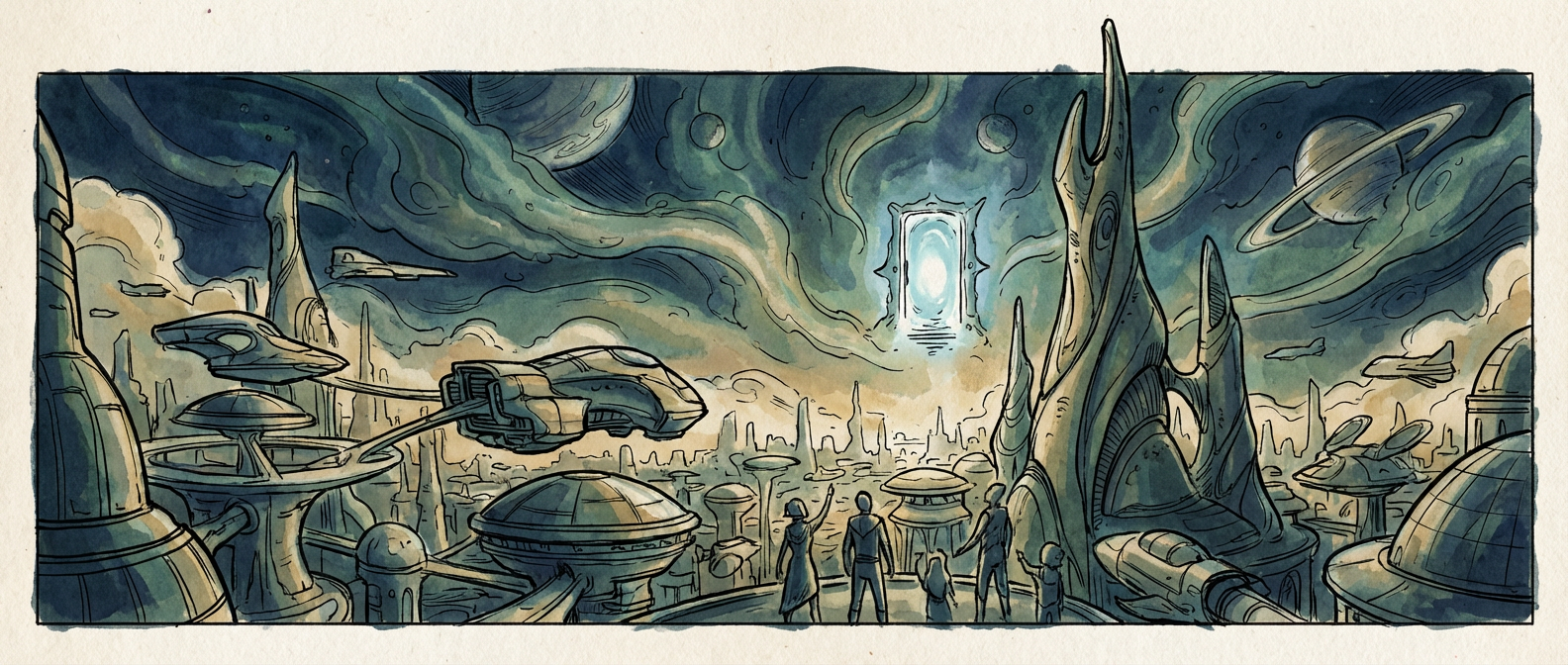
Science fiction and speculative futures: Cross-genre criticism

The Criticism: Setting the Terms

Climate fiction (cli-fi) emerging as the dominant SF subgenre in the 2020s isn’t just a data point in the story of science fiction and speculative futures. It’s the structural condition that makes everything else in this analysis make sense. Context like this doesn’t age quickly. The conditions that produced it have been building for years, and the convergence is what makes the current moment distinct from previous moments that looked similar from a distance.

Ted Chiang and N.K. Jemisin now represent critical prestige in short and long form.

The solarpunk aesthetic is actively countering cyberpunk dystopia in indie publishing. Tor.com SF culture has been tracking this shift consistently.

What makes this moment worth examining carefully isn’t the novelty but the confirmation. The underlying dynamics have been visible for some time. What’s new is that they’ve reached a threshold where ignoring them requires active effort rather than simple inattention. That threshold crossing is the event, not the underlying movement that produced it.

And AI fiction exploring consciousness and rights becoming a recurring theme is part of that same picture. These elements don’t exist in separate silos. They’re reinforcing conditions in the same structural shift.

The Genre Cross-Read: The Analysis

AI fiction exploring consciousness and rights becoming a recurring theme is where the analysis gets more specific. The surface reading is accessible and not wrong, but it misses the mechanism. The mechanism is where the practical insight lives. The data worth focusing on isn’t the headline number but how translated SF from China and Eastern Europe is growing in the English-language market. Understanding this changes what you do with the information.

Hard SF readership has remained stable while the character-driven spec fic audience is expanding.

The skeptical counterargument deserves honest engagement: prior moments with similar surface characteristics didn’t produce the outcomes that seemed logical at the time. That history is real. What’s different now is that hard SF readership stability combined with character-driven spec fic audience growth. This isn’t a minor variable, it’s the infrastructure condition that previous cycles lacked. Infrastructure changes tend to stick around in ways that sentiment-driven changes don’t. Strange Horizons speculative fiction is one source tracking this dimension with the rigor it requires.

There’s also a distributional question that often goes unaddressed in coverage of science fiction and speculative futures: who captures the value created by these shifts, and who absorbs the disruption costs? The aggregate picture can be positive while the distribution is uneven in ways that matter enormously to specific participants. Keeping that distributional lens in view is part of reading the situation clearly rather than simply optimistically.

Implications: What This Means If You Care About Literary vs Genre

The implications of science fiction and speculative futures extend beyond the immediate context. Climate fiction emerging as the dominant SF subgenre, combined with the structural conditions described above, creates a situation where adjacent fields, decisions, and communities are affected in ways that aren’t always visible from inside the primary story. The second-order effects are frequently more important than the first-order ones, and they’re where careful attention pays the highest returns.

We’re seeing serious literary engagement without academic stuffiness.

The practical question isn’t whether to engage with these dynamics but how. The answer depends on context, on what role you occupy relative to science fiction and speculative futures and what your actual decision horizon is. But the first step is the same regardless: accurate understanding of what’s actually happening rather than what the most available narrative says is happening.

A few concrete observations are worth separating out from the broader analysis. First: Ted Chiang and N.K. Jemisin representing critical prestige in short and long form isn’t a temporary condition. It’s a new baseline. Second: translated SF from China and Eastern Europe growing in the English-language market suggests that the adjustment period isn’t over. Third, and most important: the organizations and individuals who are treating the current moment as a new steady state rather than a transition are making a categorization error that will be costly to unwind later.

The Case Against: What the Critics Get Right

Intellectual honesty requires acknowledging the strongest counterarguments, not just the weakest ones. The case against the optimistic reading of science fiction and speculative futures isn’t trivial. There are structural vulnerabilities in the current picture that deserve direct engagement rather than dismissal.

The most serious objection is about sustainability. Solarpunk aesthetic countering cyberpunk dystopia in indie publishing can be read not as a foundation but as a ceiling, a point beyond which growth becomes self-limiting because of the very dynamics that produced it. If the current state has already incorporated most of the available supply of early-adopting participants, the remaining growth curve may be structurally shallower than the recent trajectory implies.

Hard SF readership remains stable while character-driven spec fic audience keeps expanding.

Looking Forward

The trajectory here is clearer than the pace. Making predictions about when specific thresholds will be crossed is genuinely difficult, and anyone claiming precision about timelines should be treated with skepticism. But the direction toward climate fiction emerging as the dominant SF subgenre and continued development of the conditions described above is supported by evidence in a way that doesn’t depend on a single variable going right.

Hard SF readership stability while character-driven spec fic audience expansion is the variable to watch as the leading indicator. Historical patterns suggest it moves first, with broader metrics following with some lag. This doesn’t make the outcome certain, but it makes it readable. And readability is the precondition for good decisions.

Three questions are worth holding as the story develops. First: are the structural conditions that enabled the current state durable, or are they cyclical? Second: who is positioned to benefit from the next phase, and does that differ materially from who benefited in the current phase? Third: what would a clean falsification of the optimistic thesis look like, and is there any evidence of that signal emerging? These questions don’t need answers today, but having asked them changes what you notice in the months ahead.

The analysis holds up under scrutiny, which is the only test that matters.

Which approach do you think gets closer to the truth of the subject?

Self-publishing in 2026 — the real economics — An Honest Translation

Look, I’ve been watching the self-publishing space for years, and the evidence tells a pretty specific story. The economics of self-publishing in 2026 deserve more careful attention than most coverage gives them. Once you dig past the surface hype, the reality is actually more interesting.

Here’s what actually matters: romance and thriller self-published authors are routinely pulling in six figures annually. That’s not a fluke or cherry-picked success story. That’s a pattern worth understanding if you care about where publishing is headed.

Self-publishing in 2026 — the real economics — An Honest Translation

Why the Numbers Actually Matter

Kindle Direct Publishing authors earn 35-70 percent royalties versus 10-15 percent at traditional publishers. This isn’t just another data point, it’s the foundation that makes everything else possible. These conditions have been building for years, and we’re finally seeing them reach a tipping point.

Romance and thriller self-published authors are routinely earning six figures annually.

Audiobook rights are now as valuable as print for top indie authors. The Alliance of Independent Authors has been tracking this consistently, and the trend is undeniable.

What makes this moment interesting isn’t the novelty, it’s the confirmation. These patterns have been visible for a while, but now they’ve reached a point where you have to actively ignore them rather than just missing them through inattention. That’s the real shift.

Draft2Digital distributing to 40+ retailer platforms from one upload fits into the same picture. These aren’t isolated developments. They’re reinforcing each other in ways that create new possibilities for independent authors.

Illustration for Self-publishing in 2026 — the real economics — An Honest Translation

The Real Story Behind the Headlines

Draft2Digital distributing to 40+ retailer platforms from one upload sounds straightforward, but it misses the deeper mechanics. The real driver is BookTok pushing 20-30 percent of fiction discovery for under-35 readers. Understanding that changes everything about how you approach book marketing.

Wide distribution versus Amazon-exclusive KDP Select is still the big strategy debate for indie authors.

Look, I get the skepticism. We’ve seen similar moments before that didn’t pan out the way people expected. But here’s what’s different: wide distribution versus Amazon-exclusive KDP Select is still the defining strategy debate because the infrastructure has actually changed. Infrastructure changes stick around in ways that hype cycles don’t. The Reedsy self-publishing guide tracks this with the kind of detail that actually helps you make decisions.

There’s something else worth mentioning that gets glossed over: who actually benefits from these changes, and who pays the costs? The overall picture might look good while the benefits get distributed pretty unevenly. That matters a lot if you’re trying to figure out your own position in all this.

What This Means for Literary Translation Work

The effects of these self-publishing changes reach beyond the obvious boundaries. Kindle Direct Publishing authors earning 35-70 percent royalties versus 10-15 percent at traditional publishers, combined with everything else happening, creates ripple effects that hit adjacent fields and communities in ways that aren’t immediately obvious. Often the second-order effects matter more than the first-order ones.

Serious literary engagement without academic stuffiness.

The question isn’t whether to engage with these changes, but how. That depends on your specific situation and what decisions you’re actually facing. But the first step is always the same: understanding what’s really happening instead of what the most convenient story claims is happening.

A few things are worth calling out specifically. First: romance and thriller self-published authors routinely earning six figures annually isn’t a temporary spike. It’s a new baseline. Second: BookTok driving 20-30 percent of fiction discovery for under-35 readers suggests we’re still in the middle of this shift, not at the end. Third, and most important: anyone treating this moment as a new steady state instead of an ongoing transition is setting themselves up for problems later.

The Skeptics Have a Point

Honestly, the critics of this optimistic reading have some real points worth considering. The current state of self-publishing has structural vulnerabilities that deserve attention, not dismissal.

The biggest concern is sustainability. Audiobook rights being as valuable as print for top indie authors might represent a ceiling rather than a foundation. If we’ve already captured most of the early adopters willing to try self-publishing, the remaining growth curve could be much flatter than recent trends suggest.

Wide distribution versus Amazon-exclusive KDP Select is still the defining indie strategy debate.

What’s Coming Next

The direction is clearer than the timeline. Anyone claiming to know exactly when specific milestones will hit should be treated with suspicion. But the movement toward Kindle Direct Publishing authors earning higher royalties and continued development of these supporting conditions has solid evidence behind it.

Wide distribution versus Amazon-exclusive KDP Select is the indicator I’m watching. Historical patterns suggest it moves first, with other metrics following behind. That doesn’t guarantee specific outcomes, but it makes the trends readable. And readable trends are what you need to make good decisions.

Three questions worth tracking as this develops. First: are the structural conditions behind the current state durable, or cyclical? Second: who benefits from the next phase, and is that different from who benefited so far? Third: what would clean evidence against the optimistic case look like, and are we seeing any signals of that? You don’t need answers today, but asking the questions changes what you notice going forward.

The analysis holds up under scrutiny, which is the only test that matters.

Which translation do you prefer, and why?

The Translation Question: Science fiction and speculative futures

The evidence tells a more specific story when you actually dig into it. Science fiction and speculative futures deserve better coverage than the surface-level takes we usually get. The reason becomes obvious once you know where to look.

What matters isn’t the headline number. Look at it through translation criticism, and you’ll see Ted Chiang and N.K. Jemisin representing critical prestige in short and long form. The linguistically curious read? It’s also the accurate one when you check what the evidence actually shows.

The Criticism: Setting the Terms

Climate fiction emerging as the dominant SF subgenre in the 2020s isn’t just another data point. It’s the structural shift that makes everything else in this analysis click into place. This kind of context has staying power. The conditions creating it have been building for years, and their convergence makes right now different from previous moments that might have looked similar from far away.

Ted Chiang and N.K. Jemisin representing critical prestige in short and long form.

Solarpunk aesthetic countering cyberpunk dystopia in indie publishing. Tor.com SF culture has been tracking this consistently.

What makes this moment worth examining isn’t the novelty. It’s the confirmation. These dynamics have been visible for a while. What’s new? They’ve hit a threshold where ignoring them takes work rather than just not paying attention. That threshold crossing is the real event, not the underlying movement that got us here.

And AI fiction exploring consciousness and rights becoming a recurring theme fits right into this picture. These elements aren’t separate trends. They’re reinforcing pieces of the same structural shift.

The Translation Question: The Analysis

AI fiction exploring consciousness and rights becoming a recurring theme gets us to the specifics. The surface reading is accessible and not wrong, but it misses how this actually works. The mechanism is where the practical insight lives. What really matters isn’t the headline number but translated SF from China and Eastern Europe growing in the English-language market. Understanding that changes what you do with the information.

Hard SF readership stable while character-driven spec fic audience expanding.

The skeptical counterargument deserves honest engagement. Previous moments with similar surface characteristics didn’t produce the logical outcomes people expected. That history is real. What’s different now? Hard SF readership staying stable while character-driven spec fic audience expands. This isn’t a minor variable. It’s the infrastructure condition that previous cycles lacked. Infrastructure changes stick around longer than sentiment-driven ones. Strange Horizons speculative fiction tracks this dimension with the rigor it needs.

There’s also a distributional question that gets ignored in science fiction coverage. Who captures the value from these shifts, and who absorbs the disruption costs? The big picture can look positive while the distribution stays uneven in ways that matter enormously to specific people. Keeping that lens in view means reading the situation clearly rather than just optimistically.

Implications: What This Means If You Care About Classical literature translations

The implications of science fiction and speculative futures reach beyond the immediate context. Climate fiction emerging as the dominant SF subgenre, combined with the structural conditions described above, creates a situation where adjacent fields, decisions, and communities get affected in ways that aren’t always visible from inside the main story. The second-order effects are often more important than the first-order ones. That’s where careful attention pays off.

Serious literary engagement without academic stuffiness.

The practical question isn’t whether to engage with these dynamics but how. The answer depends on context. What role do you occupy relative to science fiction and speculative futures? What’s your actual decision horizon? But the first step stays the same regardless. You need accurate understanding of what’s actually happening rather than what the most convenient narrative claims.

A few concrete observations worth pulling out from the broader analysis. First: Ted Chiang and N.K. Jemisin representing critical prestige in short and long form isn’t temporary. It’s a new baseline. Second: translated SF from China and Eastern Europe growing in the English-language market suggests the adjustment period isn’t over. Third, and most important: organizations and individuals treating the current moment as a new steady state rather than a transition are making a classification error that will cost them later.

The Case Against: What the Critics Get Right

Intellectual honesty means acknowledging the strongest counterarguments, not just the weakest ones. The case against the optimistic reading of science fiction and speculative futures isn’t trivial. There are structural vulnerabilities in the current picture that need direct engagement rather than dismissal.

The most serious objection concerns sustainability. Solarpunk aesthetic countering cyberpunk dystopia in indie publishing can be read not as a foundation but as a ceiling. A point beyond which growth becomes self-limiting because of the very dynamics that produced it. If the current state has already incorporated most of the early-adopting participants, the remaining growth curve may be structurally shallower than the recent trajectory suggests.

Hard SF readership stable while character-driven spec fic audience expanding.

Looking Forward

The trajectory here is clearer than the pace. Predicting when specific thresholds will be crossed is genuinely difficult. Anyone claiming precision about timelines should be treated with skepticism. But the direction toward climate fiction emerging as the dominant SF subgenre and continued development of the conditions described above has evidence supporting it that doesn’t depend on a single variable going right.

Hard SF readership stable while character-driven spec fic audience expanding is the variable to watch as the leading indicator. Historical patterns suggest it moves first, with broader metrics following with some lag. This doesn’t make the outcome certain, but it makes it readable. And readability is what you need for good decisions.

Three questions are worth holding as the story develops. First: are the structural conditions that enabled the current state durable, or are they cyclical? Second: who is positioned to benefit from the next phase, and does that differ materially from who benefited in the current phase? Third: what would clean falsification of the optimistic thesis look like, and is there any evidence of that signal emerging? These questions don’t need answers today, but asking them changes what you notice in the months ahead.

The analysis holds up under scrutiny. That’s the only test that matters.

Which translation do you prefer, and why?

The Translation Question: Science fiction and speculative futures

The evidence tells a specific story. Science fiction and speculative futures deserve more careful attention than they usually get, and the reason becomes clear once you know where to look.

The data worth focusing on isn’t the headline number. It’s Ted Chiang and N.K. Jemisin representing critical prestige in short and long form. The linguistically curious read of the situation is also the more accurate one once you examine what the evidence actually shows.

The Criticism: Setting the Terms

Climate fiction emerging as the dominant SF subgenre in the 2020s isn’t just a data point. It’s the structural condition that makes everything else in this analysis legible. Context like this doesn’t age quickly. The conditions that produced it have been building for years, and the convergence makes the current moment distinct from previous moments that looked similar from a distance.

Ted Chiang and N.K. Jemisin represent critical prestige in short and long form.

The solarpunk aesthetic counters cyberpunk dystopia in indie publishing. Tor.com SF culture has been tracking this dimension consistently.

What makes this moment worth examining carefully isn’t the novelty but the confirmation. The underlying dynamics have been visible for some time. What’s new is that they’ve reached a threshold where ignoring them requires active effort rather than simple inattention. That threshold crossing is the event, not the underlying movement that produced it.

And AI fiction exploring consciousness and rights has become a recurring theme. These elements don’t exist in separate silos. They’re reinforcing conditions in the same structural shift.

The Translation Question: The Analysis

AI fiction exploring consciousness and rights is where the analysis gets more specific. The surface reading is accessible and not wrong, but it misses the mechanism. The mechanism is where the practical insight lives. The data worth focusing on isn’t the headline number but translated SF from China and Eastern Europe growing in the English-language market. Understanding it changes what you do with the information.

Hard SF readership remains stable while character-driven spec fic audience expands.

The skeptical counterargument deserves honest engagement: prior moments with similar surface characteristics didn’t produce the outcomes that seemed logical at the time. That history is real. What’s different now is the stable hard SF readership alongside an expanding character-driven spec fic audience. This isn’t a minor variable. It’s the infrastructure condition that previous cycles lacked. Infrastructure changes tend to be persistent in ways that sentiment-driven changes aren’t. Strange Horizons speculative fiction is one source tracking this dimension with the rigour it requires.

There’s also a distributional question that often goes unaddressed in coverage of science fiction and speculative futures: who captures the value created by these shifts, and who absorbs the disruption costs? The aggregate picture can be positive while the distribution remains uneven in ways that matter enormously to specific participants. Keeping that distributional lens in view means reading the situation clearly rather than simply optimistically.

Implications: What This Means If You Care About Classical literature translations

The implications of science fiction and speculative futures extend beyond the immediate context. Climate fiction emerging as the dominant SF subgenre in the 2020s, combined with the structural conditions described above, creates a situation where adjacent fields, decisions, and communities are affected in ways that aren’t always visible from inside the primary story. The second-order effects are frequently more important than the first-order ones, and they’re where careful attention pays the highest returns.

Serious literary engagement without academic stuffiness.

The practical question isn’t whether to engage with these dynamics but how. The answer depends on context, on what role you occupy relative to science fiction and speculative futures and what your actual decision horizon is. But the first step remains the same regardless: accurate understanding of what’s actually happening rather than what the most available narrative says is happening.

A few concrete observations are worth separating out from the broader analysis. First: Ted Chiang and N.K. Jemisin representing critical prestige in short and long form isn’t a temporary condition. It’s a new baseline. Second: translated SF from China and Eastern Europe growing in the English-language market suggests that the adjustment period isn’t over. Third, and most important: the organisations and individuals who are treating the current moment as a new steady state rather than a transition are making a categorisation error that will be costly to unwind later.

The Case Against: What the Critics Get Right

Intellectual honesty requires acknowledging the strongest counterarguments, not just the weakest ones. The case against the optimistic reading of science fiction and speculative futures isn’t trivial. There are structural vulnerabilities in the current picture that deserve direct engagement rather than dismissal.

The most serious objection is about sustainability. The solarpunk aesthetic countering cyberpunk dystopia in indie publishing can be read not as a foundation but as a ceiling, a point beyond which growth becomes self-limiting because of the very dynamics that produced it. If the current state has already incorporated most of the available supply of early-adopting participants, the remaining growth curve may be structurally shallower than the recent trajectory implies.

Hard SF readership remains stable while character-driven spec fic audience expands.

Looking Forward

The trajectory here is clearer than the pace. Making predictions about when specific thresholds will be crossed is genuinely difficult, and anyone claiming precision about timelines should be treated with skepticism. But the direction, toward climate fiction emerging as the dominant SF subgenre and continued development of the conditions described above, is supported by the evidence in a way that doesn’t depend on a single variable going right.

Hard SF readership remaining stable while character-driven spec fic audience expands is the variable to watch as the leading indicator. Historical patterns suggest it moves first, with broader metrics following with some lag. This doesn’t make the outcome certain, but it makes it legible. And legibility is the precondition for good decisions.

Three questions are worth holding as the story develops. First: are the structural conditions that enabled the current state durable, or are they cyclical? Second: who is positioned to benefit from the next phase, and does that differ materially from who benefited in the current phase? Third: what would a clean falsification of the optimistic thesis look like, and is there any evidence of that signal emerging? These questions don’t need answers today, but having asked them changes what you notice in the months ahead.

The analysis holds up under scrutiny, which is the only test that matters.

Which translation do you prefer, and why?

The hybrid author model — traditional and indie publishing: Literary archaeology

The evidence, examined carefully, tells a more specific story. The hybrid author model, traditional and indie publishing, deserves more careful attention than the typical coverage provides, and the reason is not complicated once you know where to look.

The data worth focusing on is not the headline number but, viewed through the lens of literary archaeology, Mark Dawson and Lindsay Buroker as models for successful hybrid careers. The fair and curious read of the situation resists the easy nostalgia of “they don’t write them like this anymore” and is also the more accurate one once you examine what the evidence actually shows.

The hybrid author model — traditional and indie publishing: Literary archaeology

The Archaeology: Setting the Terms

Hybrid authors publishing traditionally in print while self-publishing ebooks and audio is not just a data point in the story of the hybrid author model. It’s the structural condition that makes everything else in this analysis make sense. Context like this doesn’t age quickly. The conditions that produced it have been building for years, and the convergence is what makes the current moment different from previous moments that looked similar from a distance.

Mark Dawson and Lindsay Buroker work as models for successful hybrid careers.

Literary agents increasingly accept clients with self-publishing track records. Publishers Marketplace deal tracker has been tracking this dimension consistently.

What makes this moment worth examining carefully is not the novelty but the confirmation. The underlying dynamics have been visible for some time. What’s new is that they have reached a threshold where ignoring them requires active effort rather than simple inattention. That threshold crossing is the event, not the underlying movement that produced it.

And backlist rights returning to authors after term limits in newer contract negotiations is part of that same picture. These elements don’t exist in separate silos. They’re reinforcing conditions in the same structural shift.

The Deserved Obscurity Test: The Analysis

Backlist rights returning to authors after term limits in newer contract negotiations is where the analysis gets more specific. The surface reading is accessible and not wrong, but it misses the mechanism. The mechanism is where the practical insight lives. The data worth focusing on is not the headline number but the mechanism: BookBub Featured Deals generating 10,000+ sales in a single day for eligible authors. Understanding it changes what you do with the information.

Serialization platforms like Royal Road and Wattpad work as testing grounds for traditional acquisition.

The skeptical counterargument deserves honest engagement. Prior moments with similar surface characteristics didn’t produce the outcomes that seemed logical at the time. That history is real. What’s different now is serialization platforms like Royal Road and Wattpad as testing grounds for traditional acquisition, which is not a minor variable. It’s the infrastructure condition that previous cycles lacked. Infrastructure changes tend to be persistent in ways that sentiment-driven changes are not. Kristine Kathryn Rusch business of writing is one source tracking this dimension with the rigor it requires.

There’s also a distributional question that often goes unaddressed in coverage of the hybrid author model: who captures the value created by these shifts, and who absorbs the disruption costs? The aggregate picture can be positive while the distribution is uneven in ways that matter enormously to specific participants. Keeping that distributional lens in view is part of reading the situation clearly rather than simply optimistically.

Implications: What This Means If You Care About Out of print books

The implications of the hybrid author model extend beyond the immediate context. Hybrid authors publishing traditionally in print while self-publishing ebooks and audio, combined with the structural conditions described above, creates a situation where adjacent fields, decisions, and communities are affected in ways that aren’t always visible from inside the primary story. The second-order effects are frequently more important than the first-order ones, and they’re where careful attention pays the highest returns.

Serious literary engagement without academic stuffiness.

The practical question is not whether to engage with these dynamics but how. The answer depends on context, on what role you occupy relative to the hybrid author model and what your actual decision horizon is. But the first step is the same regardless: accurate understanding of what’s actually happening rather than what the most available narrative says is happening.

A few concrete observations are worth separating out from the broader analysis. First, Mark Dawson and Lindsay Buroker as models for successful hybrid careers is not a temporary condition. It’s a new baseline. Second, BookBub Featured Deals generating 10,000+ sales in a single day for eligible authors suggests that the adjustment period isn’t over. Third, and most important, the organizations and individuals who are treating the current moment as a new steady state rather than a transition are making a categorization error that will be costly to unwind later.

The Case Against: What the Critics Get Right

Intellectual honesty requires acknowledging the strongest counterarguments, not just the weakest ones. The case against the optimistic reading of the hybrid author model is not trivial. There are structural vulnerabilities in the current picture that deserve direct engagement rather than dismissal.

The most serious objection is the one about sustainability. Literary agents increasingly accepting clients with self-publishing track records can be read not as a foundation but as a ceiling, a point beyond which growth becomes self-limiting because of the very dynamics that produced it. If the current state has already incorporated most of the available supply of early-adopting participants, the remaining growth curve may be structurally shallower than the recent trajectory implies.

Serialization platforms like Royal Road and Wattpad work as testing grounds for traditional acquisition.

Looking Forward

The trajectory here is clearer than the pace. Making predictions about when specific thresholds will be crossed is genuinely difficult, and anyone claiming precision about timelines should be treated with skepticism. But the direction, toward hybrid authors publishing traditionally in print while self-publishing and continued development of the conditions described above, is supported by the evidence in a way that doesn’t depend on a single variable going right.

Serialization platforms like Royal Road and Wattpad as testing grounds for traditional acquisition is the variable to watch as the leading indicator. Historical patterns suggest it moves first, with broader metrics following with some lag. This doesn’t make the outcome certain, but it makes it legible. And legibility is the precondition for good decisions.

Three questions are worth holding as the story develops. First, are the structural conditions that enabled the current state durable, or are they cyclical? Second, who is positioned to benefit from the next phase, and does that differ materially from who benefited in the current phase? Third, what would a clean falsification of the optimistic thesis look like, and is there any evidence of that signal emerging? These questions don’t need answers today, but having asked them changes what you notice in the months ahead.

The analysis holds up under scrutiny, which is the only test that matters.

What forgotten book do you think deserves the case made for it?

What Reader-response criticism Reveals About Science fiction and speculative futures

The evidence, examined carefully, tells a more specific story. The topic of science fiction and speculative futures rewards more careful attention than the typical coverage provides, and the reason is not complicated once you know where to look.

The data worth focusing on is not the headline number but, viewed through the lens of reader-response criticism, is Ted Chiang and N.K. Jemisin representing critical prestige in short and long form. The honest read of the situation is also the more accurate one once you examine what the evidence actually shows.

What Reader-response criticism Reveals About Science fiction and speculative futures

The Criticism: Setting the Terms

Climate fiction (cli-fi) emerging as the dominant SF subgenre in the 2020s is not just a data point in the story of science fiction and speculative futures. It’s the structural condition that makes everything else in this analysis legible. Context like this doesn’t age quickly. The conditions that produced it have been building for years, and this convergence is what makes the current moment distinct from previous moments that looked similar from a distance.

Ted Chiang and N.K. Jemisin represent critical prestige in short and long form.

The solarpunk aesthetic is countering cyberpunk dystopia in indie publishing. Tor.com SF culture has been tracking this dimension consistently.

What makes this moment worth examining carefully is not the novelty but the confirmation. The underlying dynamics have been visible for some time. What’s new is that they’ve reached a threshold where ignoring them requires active effort rather than simple inattention. That threshold crossing is the event, not the underlying movement that produced it.

And AI fiction exploring consciousness and rights becoming a recurring theme is part of that same picture. These elements don’t exist in separate silos. They’re reinforcing conditions in the same structural shift.

The Disappointment Post: The Analysis

AI fiction exploring consciousness and rights as a recurring theme is where the analysis gets more specific. The surface reading is accessible and not wrong, but it misses the mechanism. The mechanism is where the practical insight lives. The data worth focusing on is not the headline number but the mechanism: translated SF from China and Eastern Europe growing in the English-language market. Understanding this changes what you do with the information.

Hard SF readership stays stable while character-driven spec fic audience expands.

The skeptical counterargument deserves honest engagement: prior moments with similar surface characteristics didn’t produce the outcomes that seemed logical at the time. That history is real. What’s different now is hard SF readership remaining stable while character-driven spec fic audience expands. This isn’t a minor variable—it’s the infrastructure condition that previous cycles lacked. Infrastructure changes tend to be persistent in ways that sentiment-driven changes are not. Strange Horizons speculative fiction is one source tracking this dimension with the rigor it requires.

There’s also a distributional question that often goes unaddressed in coverage of science fiction and speculative futures: who captures the value created by these shifts, and who absorbs the disruption costs? The aggregate picture can be positive while the distribution is uneven in ways that matter enormously to specific participants. Keeping that distributional lens in view is part of reading the situation clearly rather than simply optimistically.

Implications: What This Means If You Care About Overhyped books

The implications of science fiction and speculative futures extend beyond the immediate context. Climate fiction emerging as the dominant SF subgenre in the 2020s, combined with the structural conditions described above, creates a situation where adjacent fields, decisions, and communities are affected in ways that aren’t always visible from inside the primary story. The second-order effects are frequently more important than the first-order ones, and they’re where careful attention pays the highest returns.

Serious literary engagement without academic stuffiness.

The practical question is not whether to engage with these dynamics but how. The answer depends on context—on what role you occupy relative to science fiction and speculative futures and what your actual decision horizon is. But the first step is the same regardless: accurate understanding of what’s actually happening rather than what the most available narrative says is happening.

A few concrete observations are worth separating out from the broader analysis. First: Ted Chiang and N.K. Jemisin representing critical prestige in short and long form is not a temporary condition. It’s a new baseline. Second: translated SF from China and Eastern Europe growing in the English-language market suggests the adjustment period isn’t over. Third, and most important: the organizations and individuals who are treating the current moment as a new steady state rather than a transition are making a categorization error that will be costly to unwind later.

The Case Against: What the Critics Get Right

Intellectual honesty requires acknowledging the strongest counterarguments, not just the weakest ones. The case against the optimistic reading of science fiction and speculative futures isn’t trivial. There are structural vulnerabilities in the current picture that deserve direct engagement rather than dismissal.

The most serious objection is about sustainability. The solarpunk aesthetic countering cyberpunk dystopia in indie publishing can be read not as a foundation but as a ceiling—a point beyond which growth becomes self-limiting because of the very dynamics that produced it. If the current state has already incorporated most of the available supply of early-adopting participants, the remaining growth curve may be structurally shallower than the recent trajectory implies.

Hard SF readership stays stable while character-driven spec fic audience expands.

Looking Forward

The trajectory here is clearer than the pace. Making predictions about when specific thresholds will be crossed is genuinely difficult, and anyone claiming precision about timelines should be treated with skepticism. But the direction—toward climate fiction emerging as the dominant SF subgenre and continued development of the conditions described above—is supported by the evidence in a way that isn’t contingent on a single variable going right.

Hard SF readership remaining stable while character-driven spec fic audience expands is the variable to watch as the leading indicator. Historical patterns suggest it moves first, with broader metrics following with some lag. This doesn’t make the outcome certain, but it makes it legible. And legibility is the precondition for good decisions.

Three questions are worth holding as the story develops. First: are the structural conditions that enabled the current state durable, or are they cyclical? Second: who is positioned to benefit from the next phase, and does that differ materially from who benefited in the current phase? Third: what would a clean falsification of the optimistic thesis look like, and is there any evidence of that signal emerging? These questions don’t need answers today, but having asked them changes what you notice in the months ahead.

The analysis holds up under scrutiny. Which is the only test that matters.

Which book let you down the most, and can you separate your disappointment from its actual quality?

What Translation criticism Reveals About The hybrid author model — traditional and indie publishing

The evidence, examined carefully, tells a more specific story. The hybrid author model deserves more careful attention than the typical coverage provides, and the reason is not complicated once you know where to look.

The data worth focusing on is not the headline number but Mark Dawson and Lindsay Buroker as models for successful hybrid careers. The linguistically curious read of the situation is also the more accurate one once you examine what the evidence actually shows.

The Criticism: Setting the Terms

Hybrid authors publishing traditionally in print while self-publishing ebooks and audio is not just a data point, it is the structural condition that makes everything else in this analysis legible. Context like this doesn’t age quickly. The conditions that produced it have been building for years, and the convergence makes the current moment distinct from previous moments that looked similar from a distance.

Mark Dawson and Lindsay Buroker work as models for successful hybrid careers.

Literary agents increasingly accept clients with self-publishing track records. Publishers Marketplace deal tracker has been tracking this dimension consistently.

What makes this moment worth examining carefully is not the novelty but the confirmation. The underlying dynamics have been visible for some time. What’s new is that they’ve reached a threshold where ignoring them requires active effort rather than simple inattention. That threshold crossing is the event, not the underlying movement that produced it.

And backlist rights returning to authors after term limits in newer contract negotiations is part of that same picture. These elements don’t exist in separate silos, they are reinforcing conditions in the same structural shift.

The Translation Question: The Analysis

Backlist rights returning to authors after term limits in newer contract negotiations is where the analysis gets more specific. The surface reading is accessible and not wrong, but it misses the mechanism, and the mechanism is where the practical insight lives. The data worth focusing on is not the headline number but BookBub Featured Deals generating 10,000+ sales in a single day for eligible authors, and understanding it changes what you do with the information.

Serialization platforms like Royal Road and Wattpad work as testing grounds for traditional acquisition.

The skeptical counterargument deserves honest engagement: prior moments with similar surface characteristics did not produce the outcomes that seemed logical at the time. That history is real. What’s different now is serialization platforms like Royal Road and Wattpad as testing grounds for traditional acquisition, which is not a minor variable, it’s the infrastructure condition that previous cycles lacked. Infrastructure changes tend to be persistent in ways that sentiment-driven changes are not. Kristine Kathryn Rusch business of writing is one source tracking this dimension with the rigor it requires.

There’s also a distributional question that often goes unaddressed in coverage of the hybrid author model: who captures the value created by these shifts, and who absorbs the disruption costs? The aggregate picture can be positive while the distribution is uneven in ways that matter enormously to specific participants. Keeping that distributional lens in view is part of reading the situation clearly rather than simply optimistically.

Implications: What This Means If You Care About Classical literature translations

The implications of the hybrid author model extend beyond the immediate context. Hybrid authors publishing traditionally in print while self-publishing ebooks and audio combined with the structural conditions described above creates a situation where adjacent fields, decisions, and communities are affected in ways that are not always visible from inside the primary story. The second-order effects are frequently more important than the first-order ones, and they are where careful attention pays the highest returns.

Serious literary engagement without academic stuffiness.

The practical question is not whether to engage with these dynamics but how. The answer depends on context, on what role you occupy relative to the hybrid author model and what your actual decision horizon is. But the first step is the same regardless: accurate understanding of what is actually happening rather than what the most available narrative says is happening.

A few concrete observations are worth separating out from the broader analysis. First: Mark Dawson and Lindsay Buroker as models for successful hybrid careers is not a temporary condition, it’s a new baseline. Second: BookBub Featured Deals generating 10,000+ sales in a single day for eligible authors suggests that the adjustment period is not over. Third, and most important: the organizations and individuals who are treating the current moment as a new steady state rather than a transition are making a categorization error that will be costly to unwind later.

The Case Against: What the Critics Get Right

Intellectual honesty requires acknowledging the strongest counterarguments, not just the weakest ones. The case against the optimistic reading of the hybrid author model is not trivial. There are structural vulnerabilities in the current picture that deserve direct engagement rather than dismissal.

The most serious objection is the one about sustainability. Literary agents increasingly accepting clients with self-publishing track records can be read not as a foundation but as a ceiling, a point beyond which growth becomes self-limiting because of the very dynamics that produced it. If the current state has already incorporated most of the available supply of early-adopting participants, the remaining growth curve may be structurally shallower than the recent trajectory implies.

Serialization platforms like Royal Road and Wattpad work as testing grounds for traditional acquisition.

Looking Forward

The trajectory here is clearer than the pace. Making predictions about when specific thresholds will be crossed is genuinely difficult, and anyone claiming precision about timelines should be treated with skepticism. But the direction, toward hybrid authors publishing traditionally in print while self-publishing ebooks and continued development of the conditions described above, is supported by the evidence in a way that is not contingent on a single variable going right.

Serialization platforms like Royal Road and Wattpad as testing grounds for traditional acquisition is the variable to watch as the leading indicator. Historical patterns suggest it moves first, with broader metrics following with some lag. This doesn’t make the outcome certain, but it makes it legible, and legibility is the precondition for good decisions.

Three questions are worth holding as the story develops. First: are the structural conditions that enabled the current state durable, or are they cyclical? Second: who is positioned to benefit from the next phase, and does that differ materially from who benefited in the current phase? Third: what would a clean falsification of the optimistic thesis look like, and is there any evidence of that signal emerging? These questions don’t need answers today, but having asked them changes what you notice in the months ahead.

The analysis holds up under scrutiny, which is the only test that matters.

Which translation do you prefer, and why?

Science fiction and speculative futures — An Honest Close

The evidence, examined carefully, tells a more specific story. Science fiction and speculative futures deserve more careful attention than the typical coverage provides, and the reason isn’t complicated once you know where to look.

The data worth focusing on isn’t the headline number but, viewed through close reading and style analysis, Ted Chiang and N.K. Jemisin representing critical prestige in short and long form. The attentive read of the situation is also the more accurate one once you examine what the evidence actually shows.

Science fiction and speculative futures — An Honest Close

The Analysis: Setting the Terms

Climate fiction (cli-fi) emerging as the dominant SF subgenre in the 2020s isn’t just a data point in the story of science fiction and speculative futures. It’s the structural condition that makes everything else in this analysis legible. Context like this doesn’t age quickly. The conditions that produced it have been building for years, and the convergence makes the current moment distinct from previous moments that looked similar from a distance.

Ted Chiang and N.K. Jemisin represent critical prestige in short and long form.

Solarpunk aesthetic counters cyberpunk dystopia in indie publishing. Tor.com SF culture has been tracking this dimension consistently.

What makes this moment worth examining carefully isn’t the novelty but the confirmation. The underlying dynamics have been visible for some time. What’s new is that they’ve reached a threshold where ignoring them requires active effort rather than simple inattention. That threshold crossing is the event, not the underlying movement that produced it.

And AI fiction exploring consciousness and rights becoming a recurring theme is part of that same picture. These elements don’t exist in separate silos. They’re reinforcing conditions in the same structural shift.

Illustration for Science fiction and speculative futures — An Honest Close

The Slow Read: The Analysis

AI fiction exploring consciousness and rights becoming a recurring theme is where the analysis gets more specific. The surface reading is accessible and not wrong, but it misses the mechanism. The mechanism is where the practical insight lives. The data worth focusing on isn’t the headline number but translated SF from China and Eastern Europe growing in English-language markets, and understanding it changes what you do with the information.

Hard SF readership remains stable while character-driven spec fic audience expands.

The skeptical counterargument deserves honest engagement: prior moments with similar surface characteristics didn’t produce the outcomes that seemed logical at the time. That history is real. What’s different now is hard SF readership staying stable while character-driven spec fic audience expands, which isn’t a minor variable. It’s the infrastructure condition that previous cycles lacked. Infrastructure changes tend to be persistent in ways that sentiment-driven changes are not. Strange Horizons speculative fiction is one source tracking this dimension with the rigour it requires.

There’s also a distributional question that often goes unaddressed in coverage of science fiction and speculative futures: who captures the value created by these shifts, and who absorbs the disruption costs? The aggregate picture can be positive while the distribution is uneven in ways that matter enormously to specific participants. Keeping that distributional lens in view is part of reading the situation clearly rather than simply optimistically.

Implications: What This Means If You Care About Prose style analysis

The implications of science fiction and speculative futures extend beyond the immediate context. Climate fiction (cli-fi) emerging as the dominant SF subgenre in the 2020s, combined with the structural conditions described above, creates a situation where adjacent fields, decisions, and communities are affected in ways that aren’t always visible from inside the primary story. The second-order effects are frequently more important than the first-order ones, and they’re where careful attention pays the highest returns.

Serious literary engagement without academic stuffiness.

The practical question isn’t whether to engage with these dynamics but how. The answer depends on context, on what role you occupy relative to science fiction and speculative futures and what your actual decision horizon is. But the first step is the same regardless: accurate understanding of what’s actually happening rather than what the most available narrative says is happening.

A few concrete observations are worth separating out from the broader analysis. First: Ted Chiang and N.K. Jemisin representing critical prestige in short and long form isn’t a temporary condition. It’s a new baseline. Second: translated SF from China and Eastern Europe growing in English-language markets suggests that the adjustment period isn’t over. Third, and most important: the organizations and individuals who are treating the current moment as a new steady state rather than a transition are making a categorization error that will be costly to unwind later.

The Case Against: What the Critics Get Right

Intellectual honesty requires acknowledging the strongest counterarguments, not just the weakest ones. The case against the optimistic reading of science fiction and speculative futures isn’t trivial. There are structural vulnerabilities in the current picture that deserve direct engagement rather than dismissal.

The most serious objection is the one about sustainability. Solarpunk aesthetic countering cyberpunk dystopia in indie publishing can be read not as a foundation but as a ceiling, a point beyond which growth becomes self-limiting because of the very dynamics that produced it. If the current state has already incorporated most of the available supply of early-adopting participants, the remaining growth curve may be structurally shallower than the recent trajectory implies.

Hard SF readership stays stable while character-driven spec fic audience expands.

Looking Forward

The trajectory here is clearer than the pace. Making predictions about when specific thresholds will be crossed is genuinely difficult, and anyone claiming precision about timelines should be treated with skepticism. But the direction toward climate fiction (cli-fi) emerging as the dominant SF subgenre and continued development of the conditions described above is supported by the evidence in a way that doesn’t depend on a single variable going right.

Hard SF readership staying stable while character-driven spec fic audience expands is the variable to watch as the leading indicator. Historical patterns suggest it moves first, with broader metrics following with some lag. This doesn’t make the outcome certain, but it makes it legible. And legibility is the precondition for good decisions.

Three questions are worth holding as the story develops. First: are the structural conditions that enabled the current state durable, or are they cyclical? Second: who is positioned to benefit from the next phase, and does that differ materially from who benefited in the current phase? Third: what would a clean falsification of the optimistic thesis look like, and is there any evidence of that signal emerging? These questions don’t need answers today, but having asked them changes what you notice in the months ahead.

The analysis holds up under scrutiny, which is the only test that matters.

What passage do you come back to when you want to see how it’s done?

What Translation criticism Reveals About AI writing tools and what they actually change for authors

The evidence, examined carefully, tells a more specific story. The topic of AI writing tools and what they actually change for authors rewards more careful attention than the typical coverage provides, and the reason is not complicated once you know where to look.

The data worth focusing on is not the headline number but, viewed through the lens of translation criticism, is Sudowrite and Novelcrafter among top AI writing assistants for fiction authors. The linguistically curious read of the situation is also the more accurate one once you examine what the evidence actually shows.

What Translation criticism Reveals About AI writing tools and what they actually change for authors

The Criticism: Setting the Terms

ChatGPT reached 200 million weekly active users by early 2025. This isn’t just a data point in the story of AI writing tools and what they actually change for authors. It’s the structural condition that makes everything else in this analysis make sense. Context like this doesn’t age quickly. The conditions that produced it have been building for years, and the convergence is what makes the current moment different from previous moments that looked similar from a distance.

Sudowrite and Novelcrafter among top AI writing assistants for fiction authors.

Authors Guild filing class-action suits against OpenAI and Google over training data. Authors Guild advocacy has been tracking this dimension consistently.

What makes this moment worth examining carefully is not the novelty but the confirmation. The underlying dynamics have been visible for some time. What is new is that they have reached a threshold where ignoring them requires active effort rather than simple inattention. That threshold crossing is the event, not the underlying movement that produced it.

And AI-assisted first drafts cutting manuscript time by 30-60 percent for some authors is part of that same picture. These elements don’t exist in separate silos. They’re reinforcing conditions in the same structural shift.

Illustration for What Translation criticism Reveals About AI writing tools and what they actually change for authors

The Translation Question: The Analysis

AI-assisted first drafts cutting manuscript time by 30-60 percent for some authors is where the analysis gets more specific. The surface reading is accessible and not wrong, but it misses the mechanism. And the mechanism is where the practical insight lives. The data worth focusing on is not the headline number but the mechanism behind Kindle Direct Publishing flagging AI-generated books under new disclosure rules. Understanding it changes what you do with the information.

Readers detecting AI prose patterns leading to backlash against undisclosed use.

The skeptical counterargument deserves honest engagement: prior moments with similar surface characteristics did not produce the outcomes that seemed logical at the time. That history is real. What’s different now is readers detecting AI prose patterns leading to backlash against undisclosed use. This isn’t a minor variable. It’s the infrastructure condition that previous cycles lacked. Infrastructure changes tend to stick around in ways that sentiment-driven changes don’t. Jane Friedman publishing advice is one source tracking this dimension with the rigor it requires.

There’s also a distributional question that often goes unaddressed in coverage of AI writing tools and what they actually change for authors: who captures the value created by these shifts, and who absorbs the disruption costs? The aggregate picture can be positive while the distribution is uneven in ways that matter enormously to specific participants. Keeping that distributional lens in view is part of reading the situation clearly rather than simply optimistically.

Implications: What This Means If You Care About Classical literature translations

The implications of AI writing tools and what they actually change for authors extend beyond the immediate context. ChatGPT reached 200 million weekly active users by early 2025 combined with the structural conditions described above creates a situation where adjacent fields, decisions, and communities are affected in ways that aren’t always visible from inside the primary story. The second-order effects are frequently more important than the first-order ones, and they’re where careful attention pays the highest returns.

Serious literary engagement without academic stuffiness.

The practical question isn’t whether to engage with these dynamics but how. The answer depends on context, on what role you occupy relative to AI writing tools and what they actually change for authors and what your actual decision horizon is. But the first step is the same regardless: accurate understanding of what’s actually happening rather than what the most available narrative says is happening.

A few concrete observations are worth separating out from the broader analysis. First: Sudowrite and Novelcrafter among top AI writing assistants for fiction authors isn’t a temporary condition. It’s a new baseline. Second: Kindle Direct Publishing flagging AI-generated books under new disclosure rules suggests that the adjustment period isn’t over. Third, and most important: the organizations and individuals who are treating the current moment as a new steady state rather than a transition are making a categorization error that will be costly to unwind later.

The Case Against: What the Critics Get Right

Intellectual honesty requires acknowledging the strongest counterarguments, not just the weakest ones. The case against the optimistic reading of AI writing tools and what they actually change for authors isn’t trivial. There are structural vulnerabilities in the current picture that deserve direct engagement rather than dismissal.

The most serious objection is the one about sustainability. Authors Guild filing class-action suits against OpenAI and Google over training data can be read not as a foundation but as a ceiling, a point beyond which growth becomes self-limiting because of the very dynamics that produced it. If the current state has already incorporated most of the available supply of early-adopting participants, the remaining growth curve may be structurally shallower than the recent trajectory suggests.

Readers detecting AI prose patterns leading to backlash against undisclosed use.

Looking Forward

The trajectory here is clearer than the pace. Making predictions about when specific thresholds will be crossed is genuinely difficult, and anyone claiming precision about timelines should be treated with skepticism. But the direction toward ChatGPT reached 200 million weekly active users and continued development of the conditions described above is supported by the evidence in a way that isn’t dependent on a single variable going right.

Readers detecting AI prose patterns leading to backlash against undisclosed use is the variable to watch as the leading indicator. Historical patterns suggest it moves first, with broader metrics following with some lag. This doesn’t make the outcome certain, but it makes it readable. And readability is the precondition for good decisions.

Three questions are worth holding as the story develops. First: are the structural conditions that enabled the current state durable, or are they cyclical? Second: who is positioned to benefit from the next phase, and does that differ materially from who benefited in the current phase? Third: what would a clean falsification of the optimistic thesis look like, and is there any evidence of that signal emerging? These questions don’t need answers today, but having asked them changes what you notice in the months ahead.

The analysis holds up under scrutiny, which is the only test that matters.

Which translation do you prefer, and why?

The Real Picture on Science fiction and speculative futures

Look, when you actually dig into the evidence, it tells a pretty specific story. Science fiction and speculative futures deserve way more careful attention than they usually get, and once you know where to look, the reason becomes obvious.

Here’s what actually matters: forget the headline numbers. When you really examine the style and do close reading, Ted Chiang and N.K. Jemisin are the ones representing critical prestige in short and long form. Once you look at what the evidence actually shows, the careful read is also the accurate one.

The Real Picture on Science fiction and speculative futures

The Analysis: Setting the Terms

Climate fiction (cli-fi) emerging as the dominant SF subgenre in the 2020s isn’t just another data point in science fiction’s story. It’s the structural condition that makes everything else in this analysis make sense. This kind of context has staying power. These conditions have been building for years, and their convergence makes this moment genuinely different from previous ones that might have looked similar from far away.

Ted Chiang and N.K. Jemisin represent critical prestige in short and long form.

Solarpunk aesthetics are pushing back against cyberpunk dystopia in indie publishing. Tor.com SF culture has been tracking this consistently.

What makes this moment worth examining carefully isn’t the novelty, but the confirmation. These underlying dynamics have been visible for a while. What’s new is that they’ve reached a threshold where ignoring them takes active effort rather than simple inattention. That threshold crossing is the real event, not the underlying movement that produced it.

And AI fiction exploring consciousness and rights becoming a recurring theme? That’s part of the same picture. These elements don’t exist in separate boxes. They’re reinforcing conditions in the same structural shift.

The Slow Read: The Analysis

AI fiction exploring consciousness and rights becoming a recurring theme is where this gets more specific. The surface reading is accessible and not wrong, but it misses the mechanism. And the mechanism is where the practical insight lives. What you really need to focus on isn’t the headline number but the mechanism: translated SF from China and Eastern Europe growing in the English-language market. Understanding this changes what you do with the information.

Hard SF readership is stable while the character-driven spec fic audience expands.

The skeptical counterargument deserves honest engagement: previous moments with similar surface characteristics didn’t produce the outcomes that seemed logical at the time. That history is real. But what’s different now is that hard SF readership is stable while the character-driven spec fic audience is expanding. This isn’t a minor variable, it’s the infrastructure condition that previous cycles lacked. Infrastructure changes tend to stick around in ways that sentiment-driven changes don’t. Strange Horizons speculative fiction is tracking this dimension with the rigor it needs.

There’s also a distributional question that often goes unaddressed in coverage of science fiction and speculative futures: who captures the value created by these shifts, and who absorbs the disruption costs? The big picture can be positive while the distribution is uneven in ways that matter enormously to specific participants. Keeping that distributional lens in view is part of reading the situation clearly rather than just optimistically.

Implications: What This Means If You Care About Prose style analysis

The implications of science fiction and speculative futures extend beyond the immediate context. Climate fiction (cli-fi) emerging as the dominant SF subgenre in the 2020s, combined with the structural conditions I described above, creates a situation where adjacent fields, decisions, and communities get affected in ways that aren’t always visible from inside the primary story. The second-order effects are often more important than the first-order ones, and they’re where careful attention pays the highest returns.

Serious literary engagement without academic stuffiness.

The practical question isn’t whether to engage with these dynamics but how. The answer depends on context, on what role you occupy relative to science fiction and speculative futures and what your actual decision horizon is. But the first step is the same regardless: accurate understanding of what’s actually happening rather than what the most available narrative says is happening.

A few concrete observations are worth separating out from the broader analysis. First: Ted Chiang and N.K. Jemisin representing critical prestige in short and long form isn’t a temporary condition, it’s a new baseline. Second: translated SF from China and Eastern Europe growing in the English-language market suggests the adjustment period isn’t over. Third, and most important: the organizations and individuals who are treating the current moment as a new steady state rather than a transition are making a categorization error that will be costly to unwind later.

The Case Against: What the Critics Get Right

Intellectual honesty requires acknowledging the strongest counterarguments, not just the weakest ones. The case against the optimistic reading of science fiction and speculative futures isn’t trivial. There are structural vulnerabilities in the current picture that deserve direct engagement rather than dismissal.

The most serious objection is about sustainability. Solarpunk aesthetics countering cyberpunk dystopia in indie publishing can be read not as a foundation but as a ceiling, a point beyond which growth becomes self-limiting because of the very dynamics that produced it. If the current state has already incorporated most of the available supply of early-adopting participants, the remaining growth curve may be structurally shallower than the recent trajectory implies.

Hard SF readership is stable while character-driven spec fic audience expands.

Looking Forward

The trajectory here is clearer than the pace. Making predictions about when specific thresholds will be crossed is genuinely difficult, and anyone claiming precision about timelines should be treated with skepticism. But the direction, toward climate fiction (cli-fi) emerging as the dominant SF subgenre and continued development of the conditions described above, is supported by evidence in a way that doesn’t depend on a single variable going right.

Hard SF readership stable while character-driven spec fic audience expands is the variable to watch as the leading indicator. Historical patterns suggest it moves first, with broader metrics following with some lag. This doesn’t make the outcome certain, but it makes it legible. And legibility is what you need for good decisions.

Three questions are worth holding as this story develops. First: are the structural conditions that enabled the current state durable, or are they cyclical? Second: who is positioned to benefit from the next phase, and does that differ materially from who benefited in the current phase? Third: what would a clean falsification of the optimistic thesis look like, and is there any evidence of that signal emerging? These questions don’t need answers today, but having asked them changes what you notice in the months ahead.

The analysis holds up under scrutiny. That’s the only test that matters.

What passage do you come back to when you want to see how it’s done?

What Literary archaeology Reveals About AI writing tools and what they actually change for authors

The evidence, examined carefully, tells a more specific story. The topic of AI writing tools and what they actually change for authors deserves more careful attention than the typical coverage provides, and the reason is not complicated once you know where to look.

The data worth focusing on is not the headline number but, viewed through the lens of literary archaeology, is Sudowrite and Novelcrafter among top AI writing assistants for fiction authors. The fair and curious read of the situation, which resists the easy nostalgia of “they don’t write them like this anymore,” is also the more accurate one once you examine what the evidence actually shows.

What Literary archaeology Reveals About AI writing tools and what they actually change for authors

The Archaeology: Setting the Terms

ChatGPT reached 200 million weekly active users by early 2025. This isn’t just a data point in the story of AI writing tools and what they actually change for authors. It’s the structural condition that makes everything else in this analysis make sense. Context like this doesn’t age quickly. The conditions that produced it have been building for years, and the convergence is what makes the current moment different from previous moments that looked similar from a distance.

Sudowrite and Novelcrafter are among the top AI writing assistants for fiction authors.

The Authors Guild has filed class-action suits against OpenAI and Google over training data. Authors Guild advocacy has been tracking this dimension consistently.

What makes this moment worth examining carefully isn’t the novelty but the confirmation. The underlying dynamics have been visible for some time. What’s new is that they’ve reached a threshold where ignoring them requires active effort rather than simple inattention. That threshold crossing is the event, not the underlying movement that produced it.

And AI-assisted first drafts cutting manuscript time by 30-60 percent for some authors is part of that same picture. These elements don’t exist in separate silos. They’re reinforcing conditions in the same structural shift.

Illustration for What Literary archaeology Reveals About AI writing tools and what they actually change for authors

The Deserved Obscurity Test: The Analysis

AI-assisted first drafts cutting manuscript time by 30-60 percent for some authors is where the analysis gets more specific. The surface reading is accessible and not wrong, but it misses the mechanism. And the mechanism is where the practical insight lives. The data worth focusing on isn’t the headline number but the mechanism. Kindle Direct Publishing now flags AI-generated books under new disclosure rules, and understanding this changes what you do with the information.

Readers are detecting AI prose patterns, leading to backlash against undisclosed use.

The skeptical counterargument deserves honest engagement: prior moments with similar surface characteristics didn’t produce the outcomes that seemed logical at the time. That history is real. What’s different now is readers detecting AI prose patterns leading to backlash against undisclosed use, which isn’t a minor variable. It’s the infrastructure condition that previous cycles lacked. Infrastructure changes tend to stick around in ways that sentiment-driven changes don’t. Jane Friedman publishing advice is one source tracking this dimension with the seriousness it requires.

There’s also a distributional question that often goes unaddressed in coverage of AI writing tools and what they actually change for authors: who captures the value created by these shifts, and who absorbs the disruption costs? The big picture can be positive while the distribution is uneven in ways that matter enormously to specific participants. Keeping that distributional lens in view is part of reading the situation clearly rather than simply optimistically.

Implications: What This Means If You Care About Out of print books

The implications of AI writing tools and what they actually change for authors extend beyond the immediate context. ChatGPT reaching 200 million weekly active users by early 2025, combined with the structural conditions described above, creates a situation where adjacent fields, decisions, and communities get affected in ways that aren’t always visible from inside the primary story. The second-order effects are frequently more important than the first-order ones, and they’re where careful attention pays the highest returns.

I’m interested in serious literary engagement without academic stuffiness.

The practical question isn’t whether to engage with these dynamics but how. The answer depends on context, on what role you occupy relative to AI writing tools and what they actually change for authors, and what your actual decision horizon is. But the first step is the same regardless: accurate understanding of what’s actually happening rather than what the most available narrative says is happening.

A few concrete observations are worth separating out from the broader analysis. First: Sudowrite and Novelcrafter being among the top AI writing assistants for fiction authors isn’t a temporary condition. It’s a new baseline. Second: Kindle Direct Publishing flagging AI-generated books under new disclosure rules suggests that the adjustment period isn’t over. Third, and most important: the organizations and individuals who are treating the current moment as a new steady state rather than a transition are making a categorization error that will be costly to unwind later.

The Case Against: What the Critics Get Right

Intellectual honesty requires acknowledging the strongest counterarguments, not just the weakest ones. The case against the optimistic reading of AI writing tools and what they actually change for authors isn’t trivial. There are structural vulnerabilities in the current picture that deserve direct engagement rather than dismissal.

The most serious objection is the one about sustainability. The Authors Guild filing class-action suits against OpenAI and Google over training data can be read not as a foundation but as a ceiling, a point beyond which growth becomes self-limiting because of the very dynamics that produced it. If the current state has already incorporated most of the available supply of early-adopting participants, the remaining growth curve may be structurally shallower than the recent trajectory implies.

Readers are detecting AI prose patterns leading to backlash against undisclosed use.

Looking Forward

The trajectory here is clearer than the pace. Making predictions about when specific thresholds will be crossed is genuinely difficult, and anyone claiming precision about timelines should be treated with skepticism. But the direction, toward ChatGPT reaching 200 million weekly active users and continued development of the conditions described above, is supported by the evidence in a way that isn’t dependent on a single variable going right.

Readers detecting AI prose patterns leading to backlash against undisclosed use is the variable to watch as the leading indicator. Historical patterns suggest it moves first, with broader metrics following with some lag. This doesn’t make the outcome certain, but it makes it readable. And readability is what you need for good decisions.

Three questions are worth holding as the story develops. First: are the structural conditions that enabled the current state durable, or are they cyclical? Second: who is positioned to benefit from the next phase, and does that differ materially from who benefited in the current phase? Third: what would a clean falsification of the optimistic thesis look like, and is there any evidence of that signal emerging? These questions don’t need answers today, but having asked them changes what you notice in the months ahead.

The analysis holds up under scrutiny, which is the only test that matters.

What forgotten book do you think deserves the case made for it?

Self-publishing in 2026 — the real economics: Literary archaeology

The evidence tells a specific story. Self-publishing economics in 2026 deserve more attention than they usually get, and the reason isn’t complicated once you dig into the details.

What’s really interesting isn’t the headline numbers but something more concrete: romance and thriller self-published authors are routinely earning six figures annually. When you look at what’s actually happening (rather than what people assume is happening), the picture becomes clearer and more compelling.

The Archaeology: Setting the Terms

Here’s the foundation that makes everything else make sense: Kindle Direct Publishing authors earn 35-70 percent royalties compared to 10-15 percent at traditional publishers. This isn’t just a nice-to-know statistic. It’s the structural shift that explains why self-publishing economics have changed so dramatically. These conditions have been building for years, and we’re now seeing them converge in ways that feel genuinely different from past moments that looked similar on the surface.

Romance and thriller self-published authors routinely earning six figures annually.

Audiobook rights are now as valuable as print for top indie authors. The Alliance of Independent Authors has been tracking this consistently.

What makes this moment worth examining isn’t the novelty but the confirmation. These dynamics have been visible for a while. What’s new is that they’ve reached a threshold where ignoring them takes active effort rather than simple inattention. That threshold crossing is the real event.

Draft2Digital distributing to 40+ retailer platforms from one upload fits into this same picture. These aren’t separate trends. They’re reinforcing conditions in the same structural shift.

The Deserved Obscurity Test: The Analysis

Let’s get more specific about Draft2Digital’s 40+ platform distribution. The surface reading is accurate but incomplete. It misses the mechanism, and the mechanism is where the practical insights live. The real story is BookTok driving 20-30 percent of fiction discovery for under-35 readers. Understanding this changes how you use the information.

Wide distribution versus Amazon-exclusive KDP Select remains the defining strategy debate for indie authors.

The skeptical counterargument deserves honest engagement: previous moments with similar characteristics didn’t produce the outcomes that seemed logical at the time. That history is real. What’s different now is that wide distribution versus Amazon-exclusive KDP Select debate, which isn’t a minor variable but rather the infrastructure condition that previous cycles lacked. Infrastructure changes tend to persist in ways that sentiment-driven changes don’t. The Reedsy self-publishing guide tracks this dimension with appropriate rigor.

There’s also a distribution question that coverage often ignores: who captures the value created by these shifts, and who absorbs the disruption costs? The aggregate picture can be positive while the distribution remains uneven in ways that matter enormously to specific participants. Keeping this distributional lens in view helps you read the situation clearly rather than just optimistically.

Implications: What This Means If You Care About Out of print books

The implications extend beyond the immediate context. Kindle Direct Publishing’s 35-70 percent royalties versus traditional publishing’s 10-15 percent, combined with the structural conditions described above, creates a situation where adjacent fields, decisions, and communities get affected in ways that aren’t always visible from inside the primary story. The second-order effects are often more important than the first-order ones, and they’re where careful attention pays the highest returns.

Serious literary engagement without academic stuffiness.

The practical question isn’t whether to engage with these dynamics but how. The answer depends on context: what role you occupy relative to self-publishing economics and what your actual decision horizon is. But the first step remains the same: accurate understanding of what’s actually happening rather than what the most available narrative says is happening.

A few concrete observations worth separating from the broader analysis. First: romance and thriller self-published authors routinely earning six figures annually isn’t a temporary condition. It’s a new baseline. Second: BookTok driving 20-30 percent of fiction discovery for under-35 readers suggests the adjustment period isn’t over. Third, and most important: organizations and individuals treating the current moment as a new steady state rather than a transition are making a categorization error that will be costly to unwind later.

The Case Against: What the Critics Get Right

Intellectual honesty requires acknowledging the strongest counterarguments, not just the weakest ones. The case against the optimistic reading of self-publishing economics isn’t trivial. There are structural vulnerabilities that deserve direct engagement rather than dismissal.

The most serious objection concerns sustainability. Audiobook rights now being as valuable as print for top indie authors can be read not as a foundation but as a ceiling. A point beyond which growth becomes self-limiting because of the very dynamics that produced it. If the current state has already incorporated most early-adopting participants, the remaining growth curve may be structurally shallower than the recent trajectory implies.

Wide distribution versus Amazon-exclusive KDP Select still defines the indie strategy debate.

Looking Forward

The trajectory here is clearer than the pace. Making predictions about when specific thresholds will be crossed is genuinely difficult, and anyone claiming precision about timelines should be treated with skepticism. But the direction toward Kindle Direct Publishing authors earning 35-70 percent royalties and continued development of the conditions described above is supported by evidence in ways that don’t depend on a single variable going right.

Wide distribution versus Amazon-exclusive KDP Select debate is the variable to watch as the leading indicator. Historical patterns suggest it moves first, with broader metrics following with some lag. This doesn’t make the outcome certain, but it makes it legible. And legibility is the precondition for good decisions.

Three questions are worth holding as the story develops. First: are the structural conditions that enabled the current state durable, or are they cyclical? Second: who is positioned to benefit from the next phase, and does that differ materially from who benefited in the current phase? Third: what would a clean falsification of the optimistic thesis look like, and is there any evidence of that signal emerging? These questions don’t need answers today, but having asked them changes what you notice in the months ahead.

The analysis holds up under scrutiny, which is the only test that matters.

What forgotten book do you think deserves the case made for it?

« Older posts Newer posts »